
Planning Disney World for Neurodivergent Families: Sensory Tips, DAS, and How Points Make It Easier


Disney World is magical, but it’s also loud, crowded, hot, and unpredictable. If you’re a neurodivergent family (or have neurodivergent kids), that combination can turn a dream vacation into a meltdown waiting to happen.
I get it because I live it. I’m autistic, I have ADHD, and I plan every Disney trip around what my family actually needs, not what the internet says a “perfect Disney day” looks like.
Here’s the thing: the same points strategy we use to make Disney almost free also makes it more sensory-friendly.Staying off property with a kitchen, driving ourselves instead of waiting for crowded buses, and having the financial flexibility to leave a park when we need to all comes from planning with points.
This is the guide I wish I’d had before our first trip. Everything here is based on what our family actually does.
Throw Out the “Perfect Disney World Day” Script
Most Disney planning advice tells you to rope drop, power through every ride, eat at the parks all day, and stay for fireworks. For a neurodivergent family, that’s a recipe for disaster.
We don’t rope drop. The kids get up when they get up. Rushing everyone out the door at 6 AM sets the wrong tone for the entire day. We let mornings be slow and calm. If my kids are tired, they are more likely to get overwhelmed in the parks.
We break the day in half. We get to the parks and knock out a few rides in the morning when crowds are lighter and energy is high. Then we head back to the hotel for a real midday break, not a 20-minute bench sit, but an actual reset. Quiet room, snacks, screens, whatever everyone needs. Then we head back to the parks in the late afternoon or evening when we’re recharged. We also miss the height of the heat for this way, which makes it easier for everyone to function.
We leave when we need to leave. No guilt, no “but we paid for this.” If someone is overstimulated, we go. Having a plan for when things go sideways is just as important as having a plan for when they go right. I will say that we are pass-holders, so leaving for the day stings a bit less than if we paid the per day ticket rates.
Involve Your Kids in the Planning
One of the biggest things that helps my family is giving the kids a voice in the plan. Surprises might sound fun, but for a lot of neurodivergent kids, unpredictability is the enemy.
We look up restaurants together. We watch ride-through videos on YouTube so everyone knows what to expect. Before our first trip, my kids and I looked up videos of each and every ride at Disney World, so they know what to expect on each ride and see if any were too dark, scary or loud for them. I had an excel file with all the rides, and marked off who was comfortable going on which rides.
We also all get a say in dining reservations. When my kids feel like they had input, they’re more invested and less anxious about what’s coming next.
This also means being honest about what a day will look like. “We’re going to do three rides, then go back to the hotel for lunch, then come back later in the day.” That predictability is calming.
Sensory Toolkit: What We Pack
You probably already have a Disney packing list (here’s ours), but here are the sensory-specific items we never leave home without:
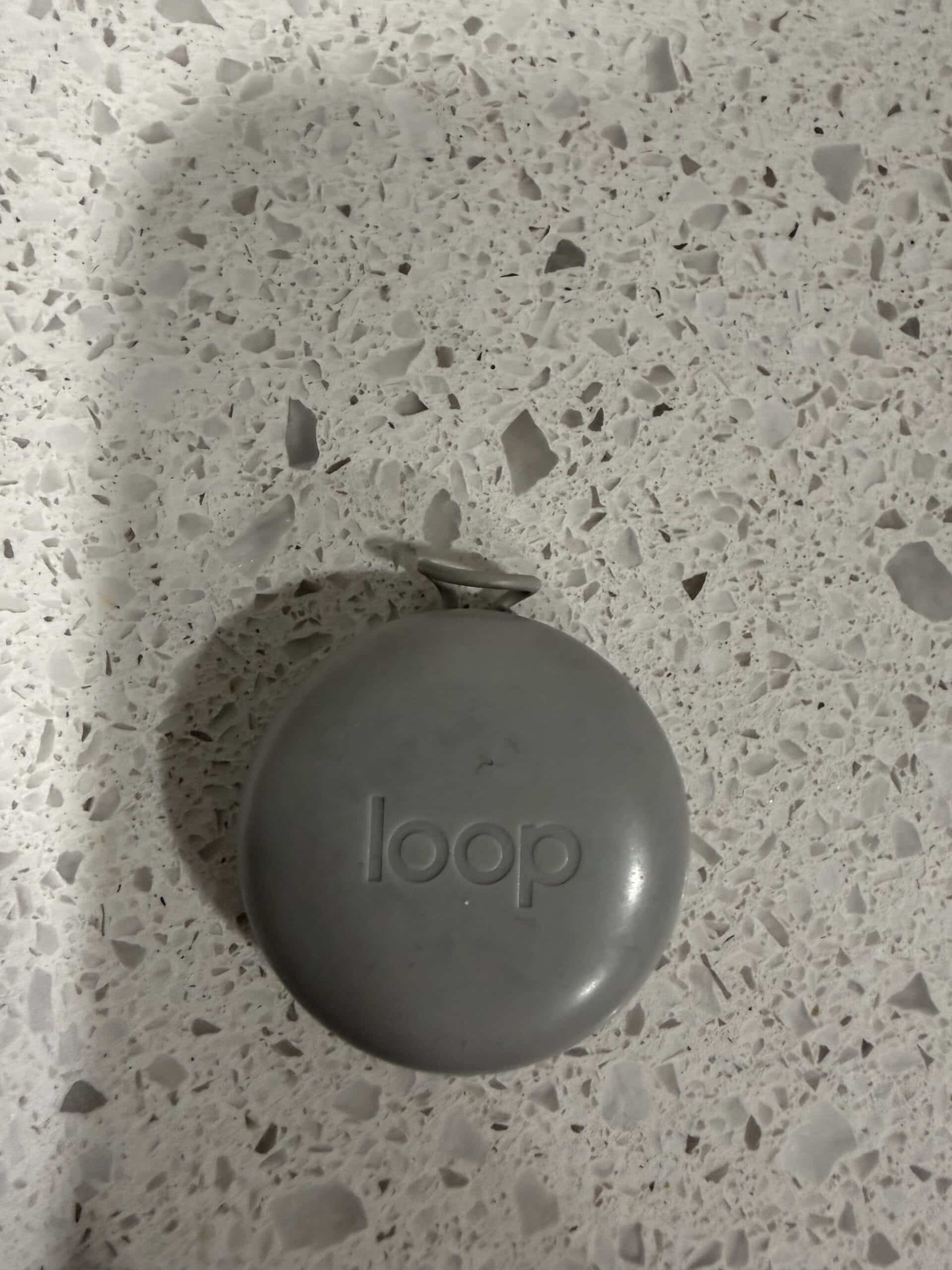
- Loop earplugs or noise-canceling headphones. My son wears these during fireworks, parades, and any time the noise level spikes. Loop earplugs are great because they reduce volume without making everything sound muffled. Noise-canceling headphones are the backup for high-overwhelm moments. See the exact Loop Earplugs we use.

- Fidgets. Small, quiet ones that fit in a pocket. They give hands something to do during waits.
- Cooling towels. Florida heat adds a whole layer of sensory input that people don’t think about. When you’re already managing noise and crowds, being overheated can be the thing that tips everything over. Wet a cooling towel and drape it around necks — it makes a real difference. We used these and they worked great!
- Snacks from the hotel. Hunger prompts overwhelm faster than almost anything else. We always have snacks in our park bag so no one has to wait for a restaurant or stand in a food line when they’re already running low on capacity. Our family’s money saving rule… everyone has their own snacks and must eat them before I buy any snacks in the park. The snacks we bring are usually fruit, granola bars, or other healthy options so I know they are at least eating one healthy thing for the day. My kids are 10 and 12, and capable of packing or prepping their own snacks. I find they are more likely to want to eat it, if they prepped it.
Dining: Off-Peak Times and Quieter Restaurants
Disney restaurants can be loud, crowded, and overstimulating, especially character dining where characters walk around the room unexpectedly.
Here’s how we handle it:
We book off-peak dining times. A lunch reservation at 11:00 AM or dinner at 4:30 PM means fewer people, shorter waits, and lower noise. The difference between a 6:00 PM reservation and a 4:30 PM reservation at the same restaurant can be night and day.
We look up quieter restaurants together. My kids help choose where we eat, and we specifically look for spots that are calmer. Not every meal needs to be a character meal or a theme park restaurant.
We don’t eat every meal out. Sometimes my son is too overwhelmed to sit in a restaurant, and that’s okay. This is one reason we stay at hotels with a kitchen, I can make a calm meal in the room when we need it. No noise, no waiting, no strangers. Just food and quiet.
If you’re interested in how we use cashback and gift card stacking to cover dining costs, here’s our full breakdown.
Why We Stay Off Property (and Drive)
This might be the single biggest neurodivergent-friendly decision we make: we stay at an off-property hotel and drive ourselves to the parks.
Here’s why:
Disney buses are a sensory nightmare. They’re crowded, loud, and you have no control over when they arrive or how packed they are. Standing in a hot bus line after a full park day, surrounded by hundreds of other families, is the worst possible way to end the day for someone who’s already overstimulated and has trouble waiting in line.
Driving gives us control. We walk to our car, get in, and go. No waiting. No crowds. The car is quiet, the AC is on, and we’re back at the hotel in minutes. That transition time from park to hotel matters more than people think.
Off-property hotels are calmer. Disney resorts are exciting, but they’re also loud and themed and stimulating 24/7. An off-property hotel is just… a hotel. Quiet hallways, a normal pool, a kitchen. It’s a genuine break from the Disney sensory environment.
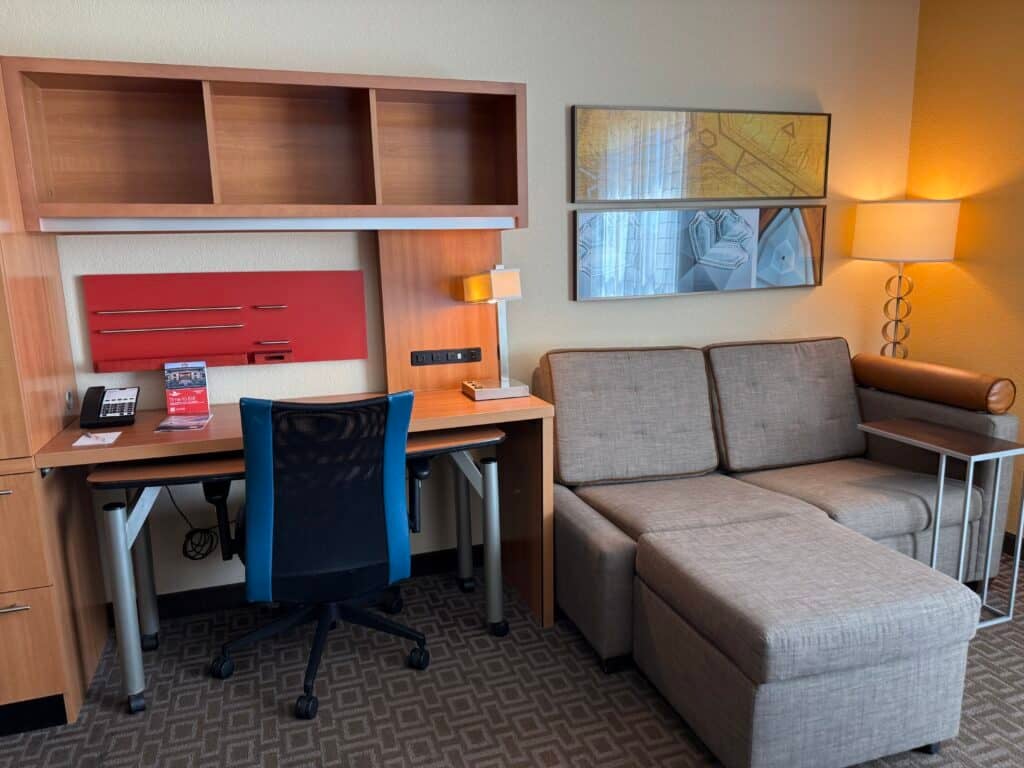
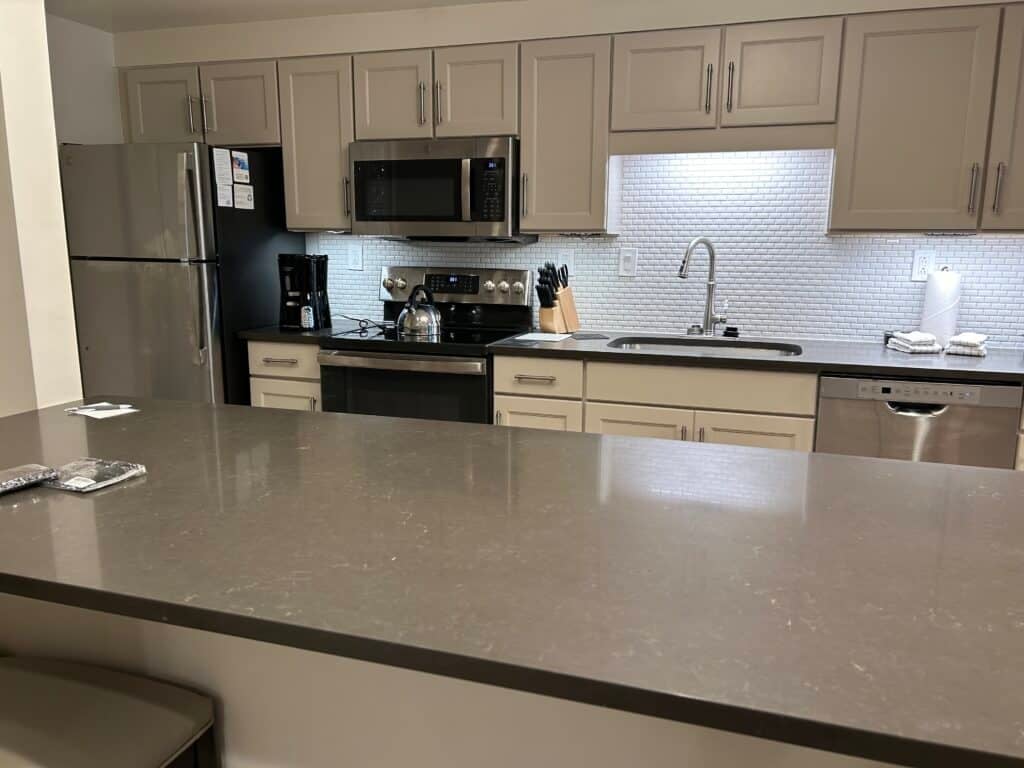
This is where points come in. We use credit card points to book off-property hotels at places like TownePlace Suites Flamingo Crossings which has a full kitchen, is dog-friendly, and costs us $0 on points. That kitchen alone saves us from eating out every single meal, which saves money AND saves our capacity. We sometimes bring our dogs along with us to Orlando. The dogs are great for calming the kids, when they don’t even realize they’re over stimulated!
On trips with out the dogs we have also stayed at Marriott Imperial Palms Villas for free on points and loved the space (3 full bedrooms) and full sized kitchen.
Want to see how the hotel points strategy works? Start with how we use Marriott Bonvoy points for Disney or our full credit card points guide.
DAS (Disability Access Service): What You Need to Know
DAS is Disney’s accommodation for guests who can’t wait in a standard queue due to a developmental disability like autism. Instead of standing in line, you get a return time and come back when it’s your turn.
There’s been a lot of controversy around DAS and the approval process recently. We aren’t here to debate DAS, but I am going to share our real experience, because I think it helps.
My honest take: The video chat process can feel invasive and uncomfortable. You’re essentially explaining your child’s disability to a stranger on a screen. It’s not a great experience, but having DAS at the parks makes an enormous difference for families who need it. If your child struggles with waiting in lines due to sensory or developmental reasons, it’s worth going through the process.
Our Experience: Denied, Then Approved
Our April 2025 trip was our first time going through the new DAS system. Both of my kids had been approved under the old system, so I knew DAS made a real difference for our family — but I was worried about the new process.
On my first call in March 2025, I tried to get DAS for both kids on the same call. We were denied.
The second time around, I made two separate calls, one for each child, and both were approved.
I don’t want to get into the broader controversy around DAS approvals. What I will say is that the second time, I went into each call calmly and prepared. I had a list of the daily life accommodations and school accommodations each of my children have. Instead of just naming their diagnoses, I focused on what waiting in a crowded, loud, unpredictable line actually looks like for each of them: the specific behaviors, the sensory triggers, and the accommodations they already use every day outside of Disney.
Managing Crowds and Anxiety
My daughter gets anxious in crowds. Not in a vague “I don’t love crowds” way, but in a way that requires real planning.
We always hold hands in crowded areas. Physical connection helps her feel grounded when there are a lot of people around.
We have an exit plan at every crowded event. Before fireworks, before parades, before any moment where crowds compress — we know exactly where we’re going to go and how we’re getting out. We identify the exit route before it starts. If she needs to leave, we don’t have to figure it out in the moment.
My son ducks into a restaurant or store during fireworks. The noise is too much. We know this, so we plan for it. No one is forced to stand and watch something that causes distress. We find an indoor spot nearby, and he’s happy.
We pick lower-crowd times when we can. Going to the parks in the late afternoon (when many families are leaving for dinner) or visiting on days with lower predicted crowds helps a lot. We also skip anything with massive crowd surges when possible.
How Points Make All of This Possible
Here’s what I want you to take away from this: using points for Disney isn’t just about saving money. It’s about creating the flexibility your neurodivergent family needs.
- Points pay for the off-property hotel with a kitchen, so you can avoid overwhelming restaurant meals when needed.
- Points cover the car rental or gas, so you can drive instead of taking crowded buses.
- Cashback and gift card stacking cover dining, so there’s no financial stress about “wasting money” when you need to leave early.
- Having the financial flexibility from points means you never feel trapped. You don’t stay at a park because “we paid too much to leave.” You leave when you need to, because the trip didn’t cost you what it would have otherwise.
That peace of mind changes everything. Here’s how we saved over $4,900 on a single Disney trip, and how you can build the same kind of flexibility into your family’s vacation.
Feeling overwhelmed? You don’t have to figure this out alone. The Disney Points Action Plan gives you a personalized strategy built around your family’s cards, dates, budget, and specific needs. We’ll map it out so you don’t have to guess.
Stop Guessing. Start Planning.
❓ Which credit cards should you apply for first?
❓ Should you use points for hotels or tickets?
❓ How do you time everything without missing bonuses?
The Disney Points Action Plan answers all of this—customized to your cards, your timeline, and your trip goals.
This isn’t a generic guide. It’s a personalized roadmap built specifically for your family so you can stop researching and start booking.
Get Your Disney Points Action Plan ($147) →Quick Reference: Our Neurodivergent Disney Checklist
- [ ] Register for DAS via video chat (up to 60 days before arrival)
- [ ] Book an off-property hotel with a kitchen
- [ ] Plan to drive to the parks, skip the Disney buses
- [ ] Pack sensory toolkit: earplugs/headphones, fidgets, cooling towels, snacks
- [ ] Book dining at off-peak times (early lunch, early dinner)
- [ ] Research restaurants together as a family
- [ ] Watch ride-through videos with your kids before the trip
- [ ] Plan midday hotel breaks into every park day
- [ ] Identify crowd exit routes for fireworks and parades
- [ ] Give yourself permission to leave when you need to
You Know Your Family Best
There’s no one-size-fits-all Disney plan for neurodivergent families. What works for us might not work for yours. But the foundation is the same: plan around your family’s real needs, not around what a “perfect Disney day” is supposed to look like.
Disney is amazing. It can also be too much. Both of those things are true at the same time, and planning for both is how you make the magic work for your family.
Our family navigates Disney as a neurodivergent household — I’m autistic with ADHD, and my kids each have their own needs (a mix autism, ADHD and Generalized Anxiety Disorder). Everything in this guide comes from our real experience. If it helps your family have a better trip, that’s exactly why I wrote it.